Sub-Total: $0.00
Bring an Alpaca Home
Meet Our Available Alpacas
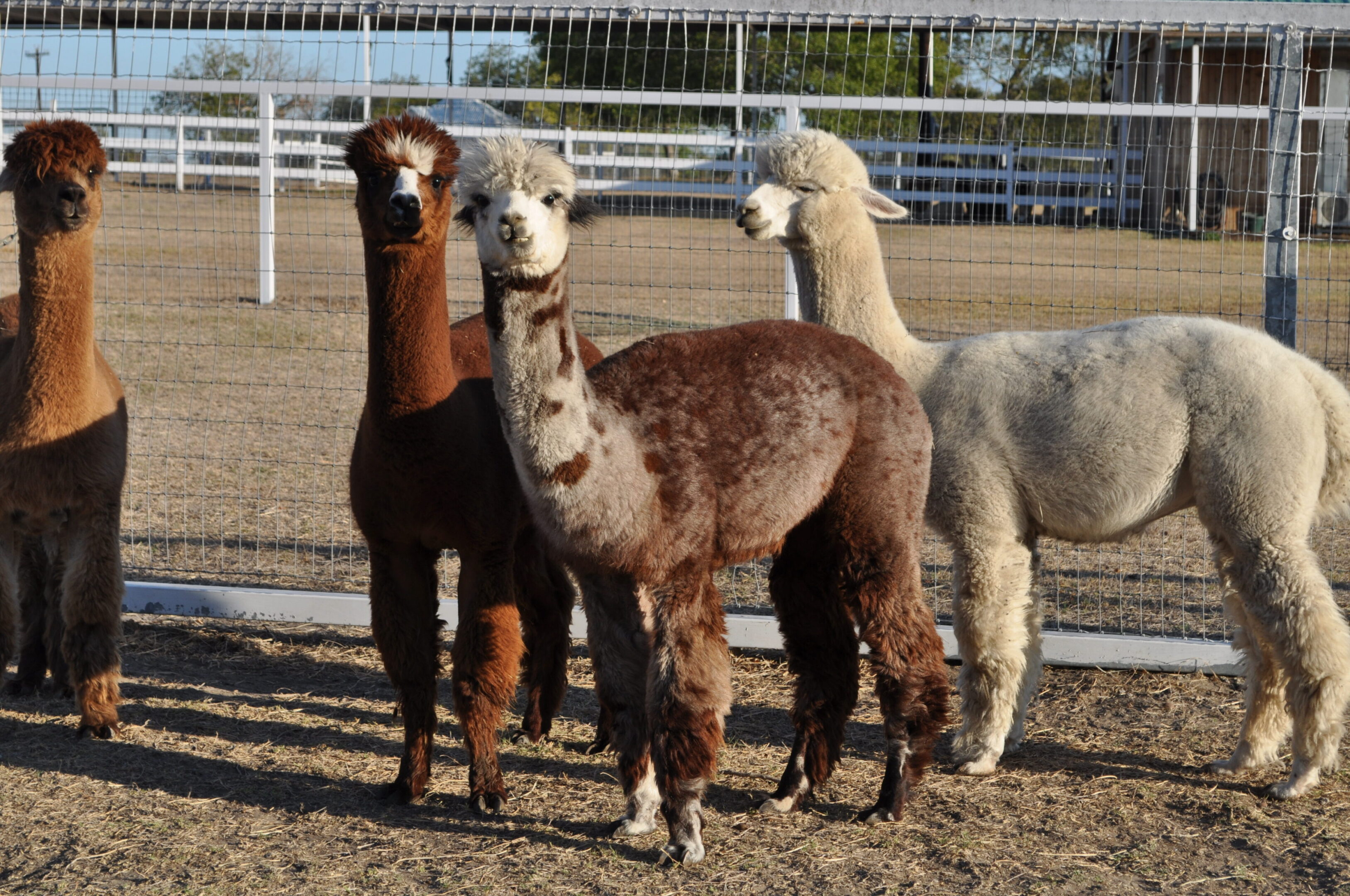
Peeka Ranch occasionally has alpacas available for purchase to qualified homes. Owning an alpaca is a meaningful commitment, and we're here to guide interested buyers every step of the way. Our goal is to ensure each alpaca finds a loving, suitable home while maintaining the highest standards of care.
Thoughtful Matches, Happy Homes
At Peeka Ranch, we carefully match alpacas with the right buyers to ensure proper care and a suitable environment. Our availability changes regularly, so interested parties should contact the ranch directly for current details, pricing, and information about specific animals.
Purchasing an alpaca is not an online transaction-we take a consultation-based approach, providing guidance and support to help you make the right decision for both your household and the alpaca.
Reasons to Choose Us
Featured Alpacas
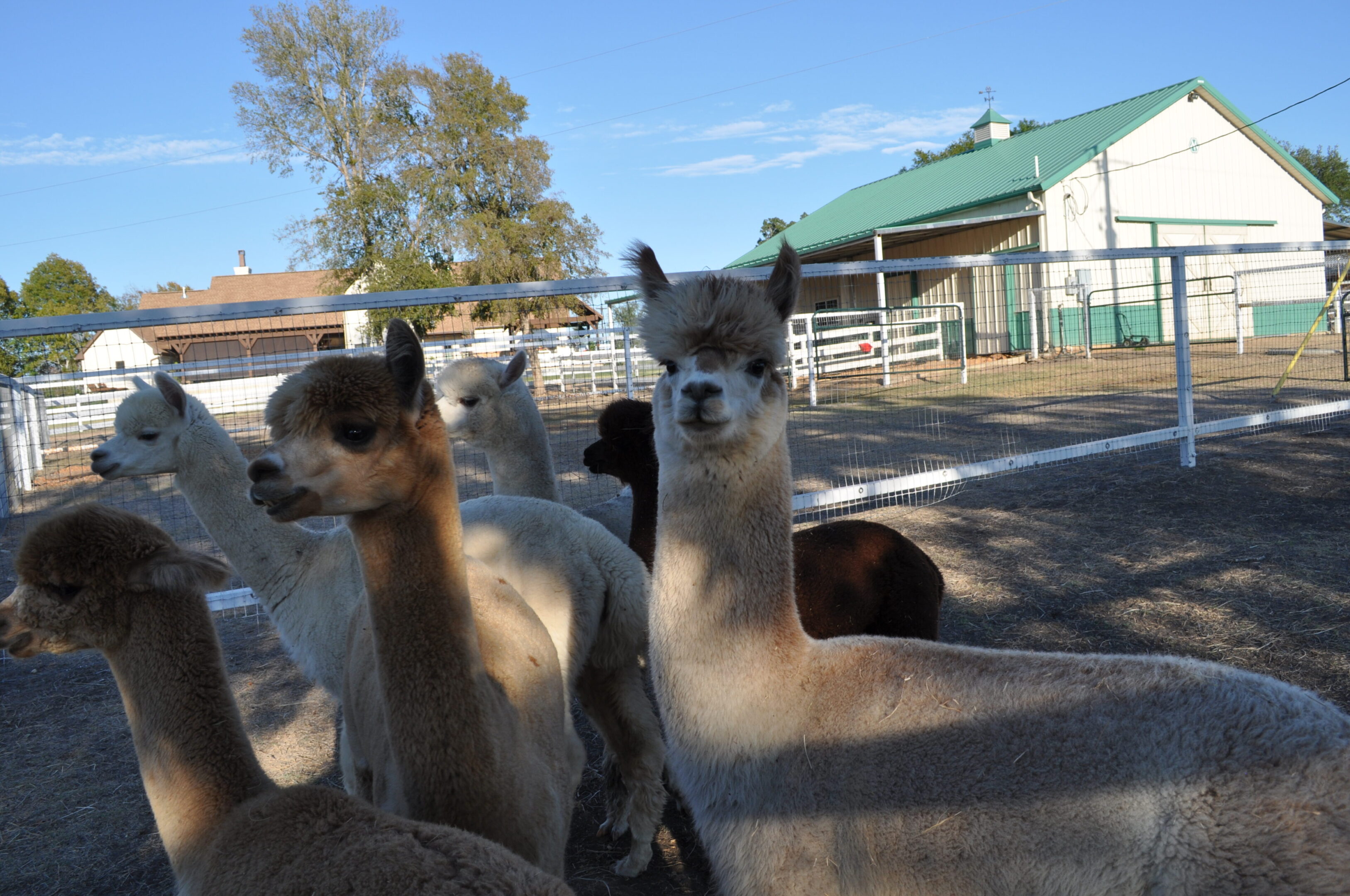
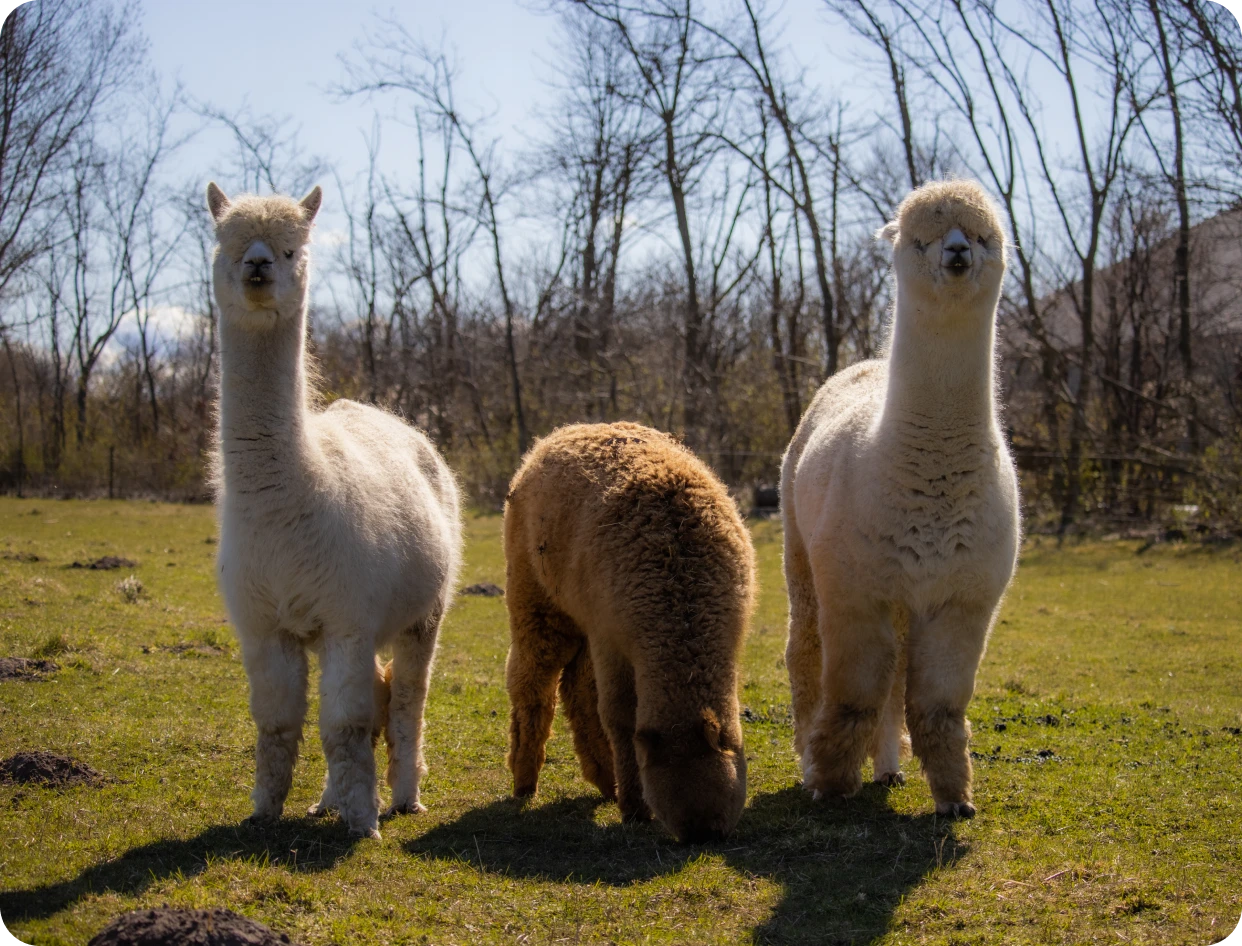
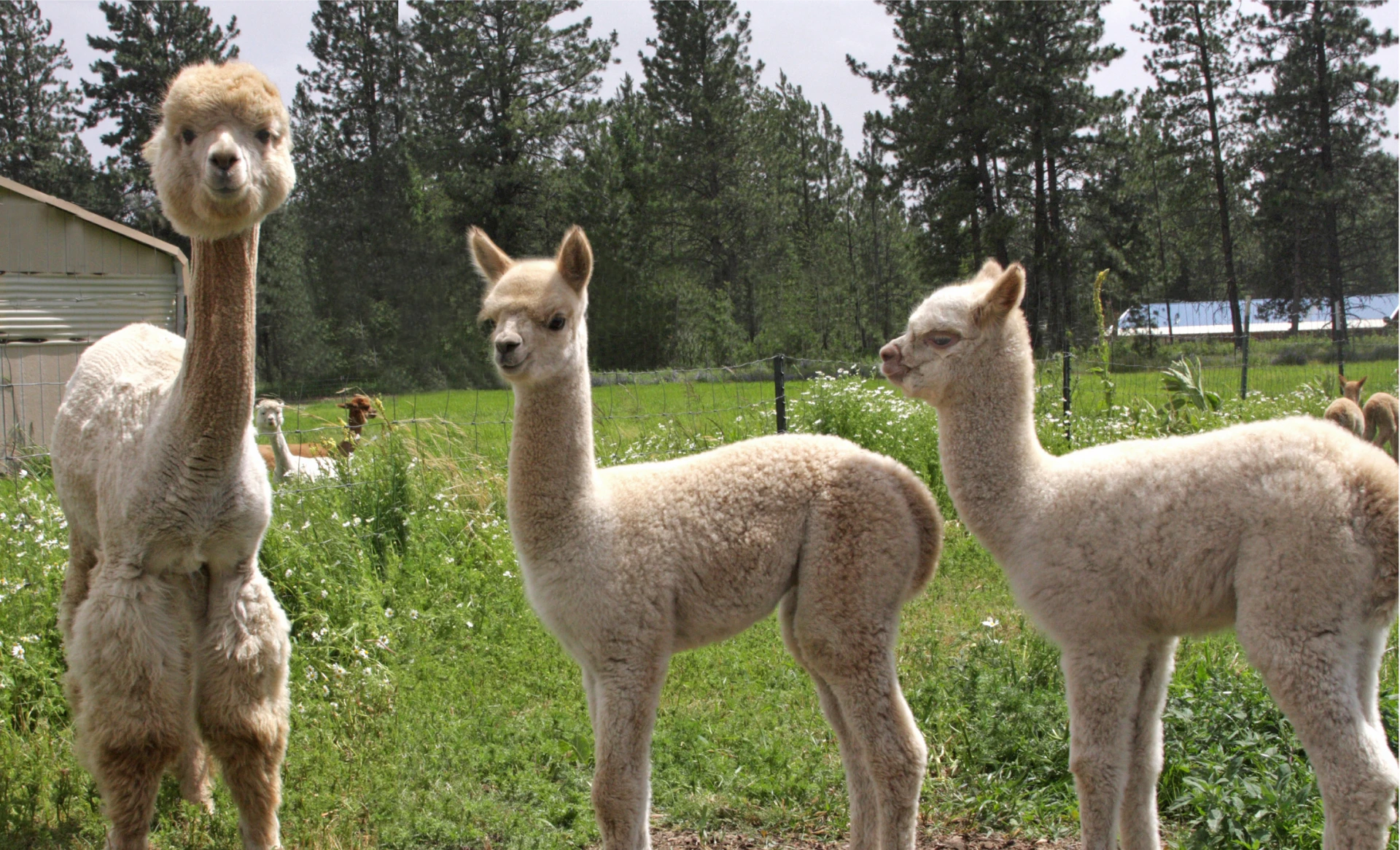
Below are examples of alpacas available or recently sold. This is not a complete inventory but is intended to give a sense of our herd.
Alpaca Ownership Information
Owning an alpaca is rewarding but requires preparation. Key considerations include:
Connect for Personalized Guidance
Interested in adding a Peeka Ranch alpaca to your home?
Contact us to discuss current availability, pricing, and your specific needs.